
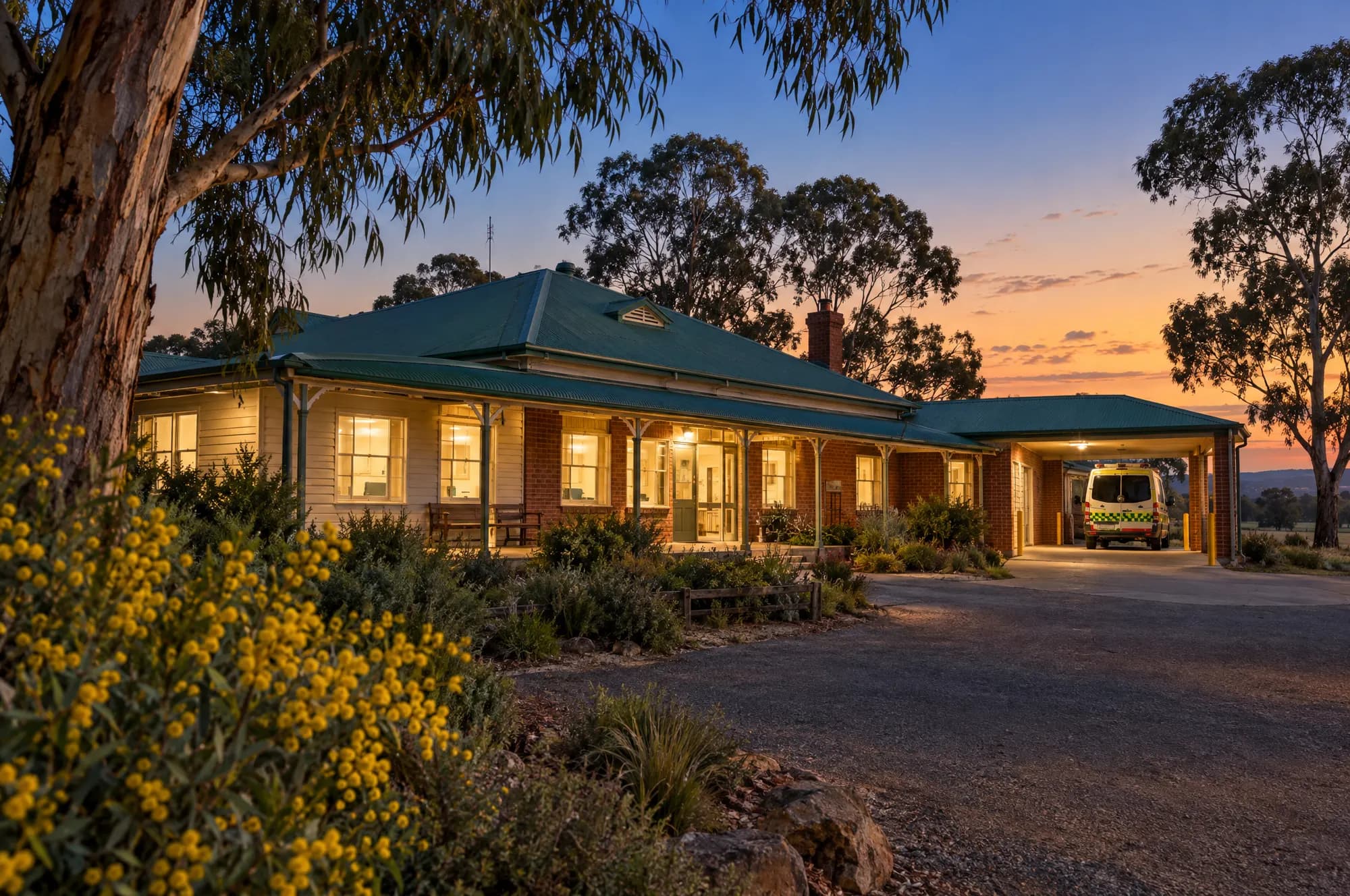
A small hospital
On-call doctors, a few beds, and the equipment you'd really have.
Realistic oral exam stations with an AI examiner who listens, asks follow-ups and marks against clinician-written rubrics. Speak your answers like the real thing — then see exactly what you covered, and what to practise next.

72%
Exam readiness
On track
+9% this week
Your feedback · Question 16 / 7
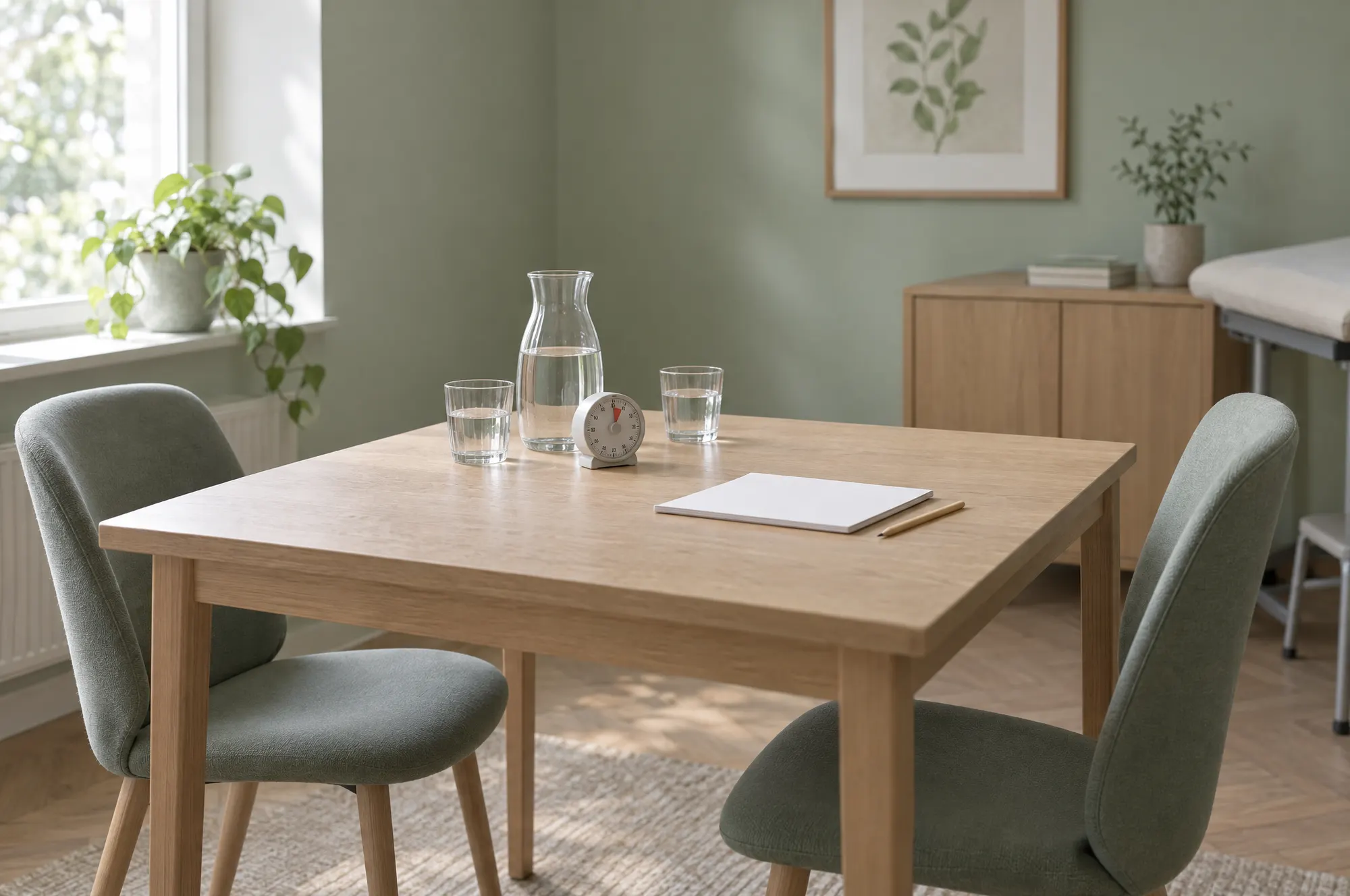
5 min reading · 10 min with the examiner
the same rhythm as the day
How a station works
5 minutes with the case and a private notepad. The questions stay hidden, just like the exam.
3 questions, one at a time, read aloud. New results arrive between questions, and vague answers get a follow-up.
A score for every domain, the points you covered with your own words quoted, what you missed, and the three things to work on.
Your report
No mystery scores. Every judgement points to what you actually said, so you can trust it — and fix the right thing.
Speak, don't just type
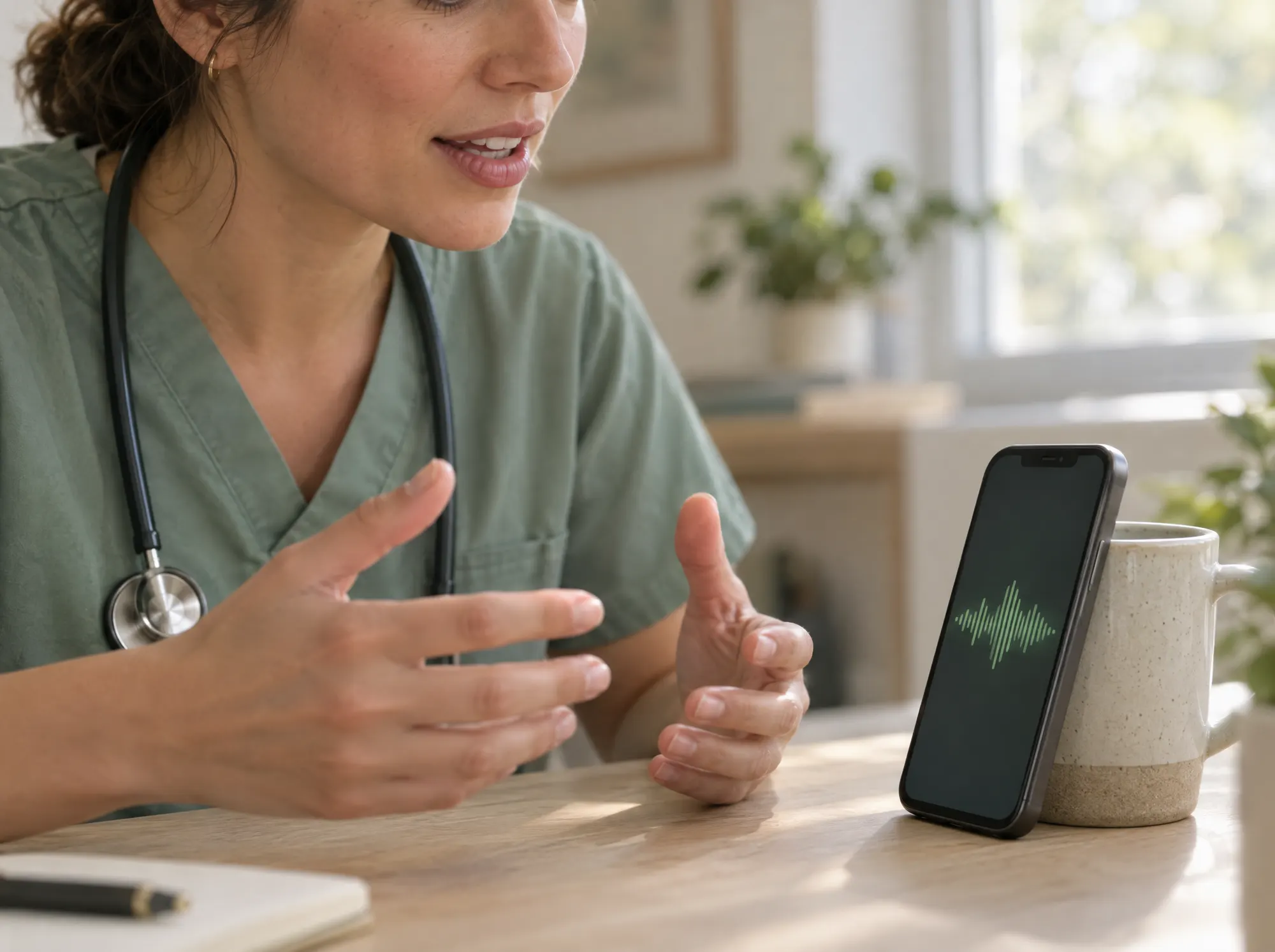
The examiner reads each question aloud. You answer out loud, and your words appear as text you can check before sending. Your report includes your recordings and your speaking pace.
30-second mic check
Hear the examiner, say a sentence, play it back.
Works in your browser
Chrome, Edge or Safari. Prefer typing? That works too.

Rural context built in
Wattle Creek is our fictional rural town: a small hospital, a clinic, limited imaging, telehealth support and a long way to the nearest specialist. Practising in one consistent place builds the habits examiners listen for — thinking about distance, resources and who you can call.
A small hospital
On-call doctors, a few beds, and the equipment you'd really have.

Hours from help
Retrieval, transfer and telehealth decisions in almost every station.
Today's plan
1 station · 1 framework
about 25 minutes
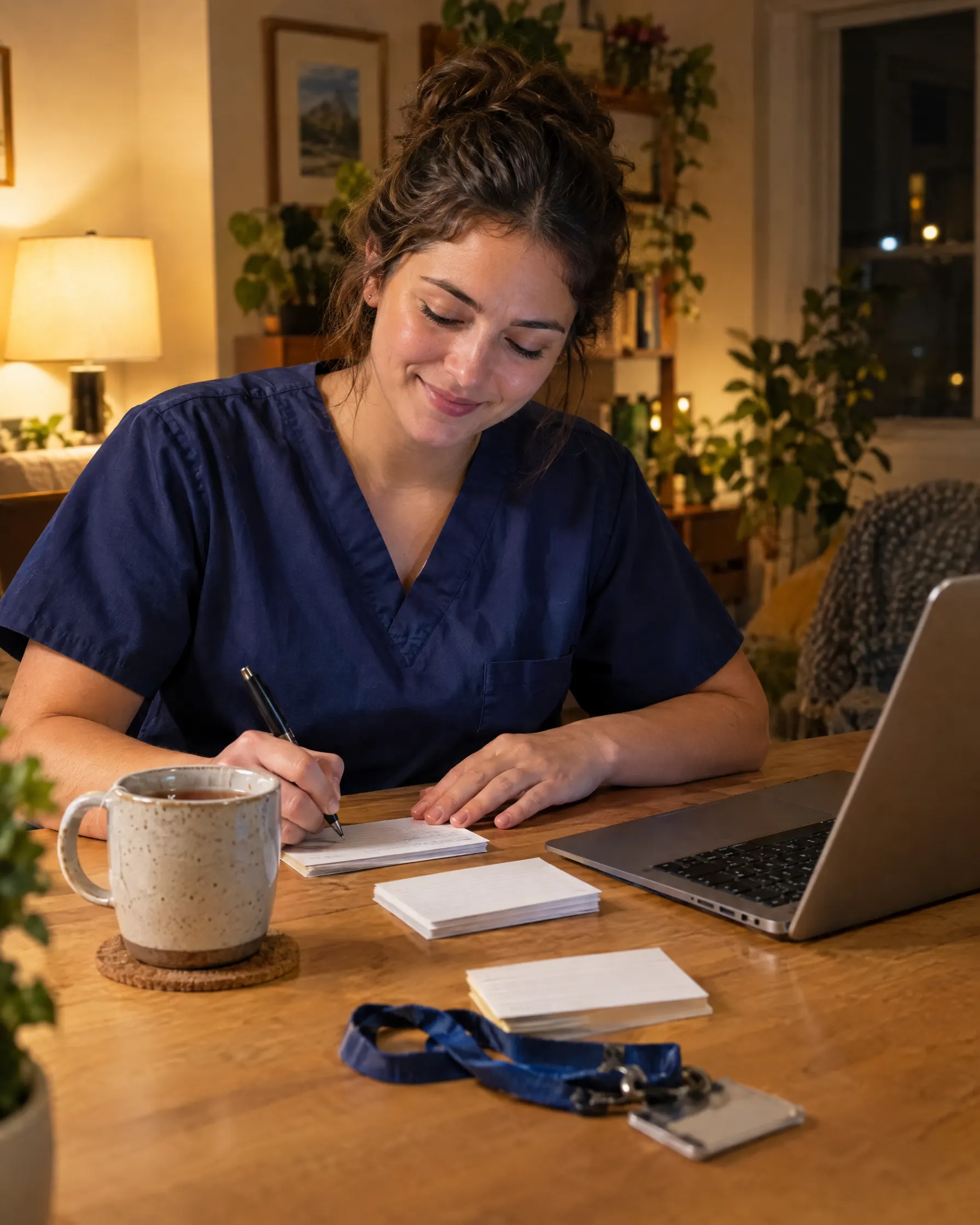
Fits around your shifts
Tell us your exam date and how much time you have. Each day you'll see one small, clear thing to do — and your plan adapts as you go. No streaks, no guilt, no noise.
Try the free study plannerEverything in one place
Follow-up questions when you're vague, new results mid-station, and the pace of a real viva.
Point-by-point feedback that quotes your answer, so you can see what landed and what was missing.
Set your exam date once. Stations, redos and mocks are paced so the final weeks feel calm.
One clear readiness score, coverage across exam topics, and the easiest marks to pick up next.
Short frameworks for the situations that keep coming up, and a tutor that explains any lost mark.
Your answers and recordings stay in Australia and stay yours. No public leaderboards, ever.
Free guides

6 min read
A simple five-part shape for any oral exam answer, so the examiner can follow your thinking — and give you the marks you've earned.
5 min read
What to do with the minutes before the examiner starts — and what to avoid — so you walk in with a plan instead of a blank page.

6 min read
How to show the examiner you're managing the patient in front of you, in the place you actually are — not in a big city hospital.

Questions
No. We're an independent practice platform. Exam names are only used to describe what you can practise for — we don't use any college's materials, and our stations, guides and rubrics are written in our own words.
Each station has a rubric of the key points a strong answer covers, written for that scenario. Your answer is checked point by point, with your own words quoted as evidence, then scored per domain on the same kind of scale the real exam uses. You see exactly why.
Stations are drafted with AI assistance and then reviewed by clinicians before they're marked as reviewed. Anything not yet clinically reviewed carries a clear “Draft” badge, so you always know what you're looking at.
Yes — and we recommend it. The examiner reads questions aloud, you speak your answer, and your words become text you can check before sending. Typing works too, and is scored exactly the same. There's a 30-second mic check before you start.
Just a browser. Speaking works best in Chrome, Edge or Safari with headphones. Everything works on a phone, though a laptop is more comfortable for full stations.

Start with one station tonight. Your plan builds itself from there.